The history of Korean pop
From local music to a global phenomenon16 January 2026
K-pop is now a major force in the global music industry. Groups sell out stadiums worldwide, albums break records, and fans form massive online communities. However, K-pop did not become successful overnight. Behind its rise lies a long history of musical influences, cultural change, and strategic development. In this blog, we explore the history of K-pop from its beginnings to the present day.
The origins of K-pop
The origins of K-pop can be traced back to South Korea in the 1980s and early 1990s, when Western music styles such as pop, rock, and hip-hop became increasingly popular. Korean artists began blending these influences with Korean lyrics and culture, laying the foundation for what would later be known as K-pop. At this time, the music industry was still largely focused on the domestic market.
Seo Taiji & Boys and the birth of modern K-pop
A major turning point came in 1992 with the debut of Seo Taiji & Boys. They introduced a new sound by combining rap, hip-hop, and dance music with Korean lyrics. Their success revolutionized the Korean music industry and is widely considered the beginning of modern K-pop. Experimentation with genres and concepts became more common after their debut.
The first generation of K-pop
The first generation of K-pop emerged in the late 1990s. During this period, idol groups such as H.O.T., Sechs Kies, S.E.S., and Fin.K.L made their debut. Entertainment companies began developing structured trainee systems, training young talents in singing, dancing, and performance. Fandom culture also started to grow, with official fan clubs, colours, and light sticks.
The role of entertainment companies
Entertainment companies like SM Entertainment, JYP Entertainment, and YG Entertainment played a crucial role in shaping K-pop. They introduced long-term trainee programs and controlled many aspects of an artist’s image, music, and promotion. This system helped create the polished and highly recognizable style that defines K-pop today.
The second generation and international expansion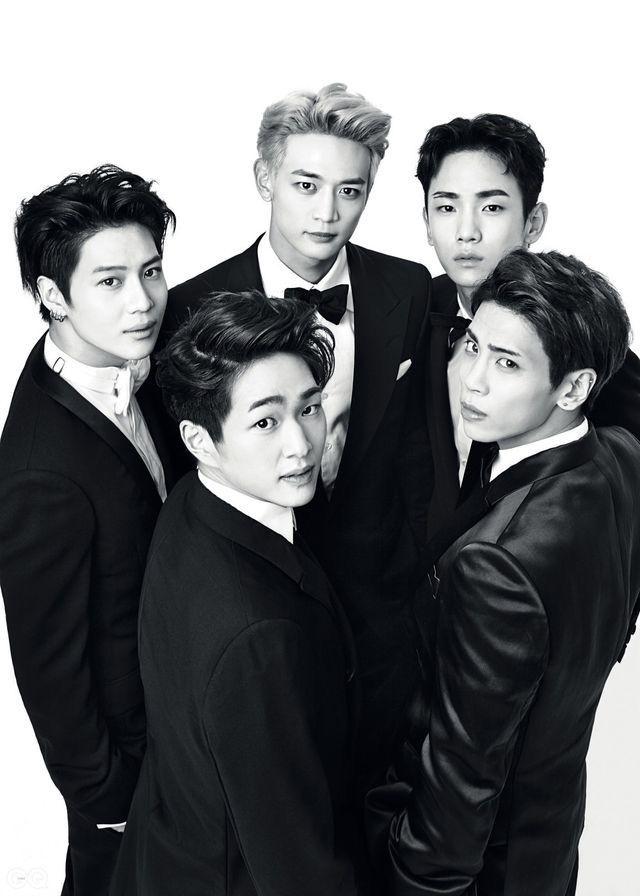
Around the mid-2000s, the second generation of K-pop began. Groups such as TVXQ, Super Junior, BIGBANG, Girls’ Generation, and 2NE1 helped further professionalize the industry. K-pop started expanding beyond South Korea, particularly into other Asian markets. Social media and YouTube became essential tools for sharing music and performances with international audiences.
The global breakthrough of K-pop
The true global breakthrough of K-pop occurred in the 2010s. Artists like BTS, EXO, and BLACKPINK brought K-pop to international charts and major Western award shows. BTS achieved historic milestones and introduced K-pop to a broader global audience. At this point, K-pop was no longer a “cringe” genre but a global cultural phenomenon.
The influence of social media and fandoms
Social media has played a key role in the rise of K-pop. Platforms such as Twitter, Instagram, TikTok, and YouTube allow direct interaction between artists and fans. Fandoms actively participate in streaming, voting, and promotional activities. This strong fan engagement is one of the most distinctive and powerful aspects of K-pop culture.
K-pop today
Today, K-pop continues to evolve. New generations of idols debut with innovative concepts, international members, and global marketing strategies. K-pop now represents more than just music; it includes fashion, dance, lifestyle, and digital content. Concerts, merchandise, and online fan interactions are essential parts of the industry.
The future of K-pop
The history of K-pop shows that the genre is constantly changing and adapting. With increasing international collaborations and technological advancements, K-pop is expected to continue growing. Its influence on global pop culture is likely to remain strong in the years to come.
Conclusion: a rich and influential musical history
K-pop has grown from local Korean pop music into a worldwide cultural movement. Through diverse musical influences, powerful entertainment companies, and dedicated fandoms, K-pop has secured a unique place in the global music industry. The history of K-pop demonstrates how music, culture, and community can come together to create something truly impactful.
- What are DVDs?
- What is a SMini/YG Tag?
- What is so good about Korean cosmetics?
- XLOV Concert Review
- What are concert etiquettes?
- What is a K-pop album?
- How do I win a fancall or fansign?
- Military service in K-pop
- How do I know if my merchandise is official?
- How do K-pop Charts work in Korea?
- How do K-pop traineeships work?
- What's the meaning behind 'Arirang'
- The history of Korean pop
- Concert ticket sales
- What Is K-pop?
- K-pop generations explained
- The most well-known K-pop companies explained
- How do pre-orders work?
- Hey!Hallyu
- K-pop Season’s Greetings
- Kpop Concerts Europe
- Drinking Culture in Korea
- How to prepare for a concert?
- NCT: Your Ultimate Guide to the Units
- Light Sticks
- K-Christmas Market in Maastricht
- ATEEZ Pop Up