What Is K-pop?
Everything you need to know about Korean pop music16 January 2026
K-pop, short for Korean pop music, is much more than just a music genre. It is a global cultural phenomenon that combines music, dance, fashion, and entertainment into one powerful experience. What started in South Korea has grown into an international movement with millions of fans around the world. Today, K-pop plays a major role in global pop culture, social media trends, and merchandise markets. But what exactly is K-pop, where did it come from, and why is it so popular? In this blog, we explain everything you need to know about K-pop.
What Is K-pop?
K-pop stands for Korean popular music and includes a wide range of musical styles. Although it is called “pop,” K-pop blends many genres such as hip-hop, R&B, EDM, electronic music, and even rock. Most K-pop songs are sung in Korean but often include English lyrics to appeal to an international audience. What truly sets K-pop apart from Western pop music is its strong focus on visuals, choreography, and overall concepts. Music, dance, fashion, and storytelling are all equally important in K-pop, creating a complete and immersive experience for fans.
The Origins and History of K-pop
Modern K-pop began in the early 1990s in South Korea. One of the most influential acts in K-pop history is Seo Taiji and Boys, who debuted in 1992. They introduced Western musical influences such as rap and dance music into Korean pop, which was revolutionary at the time. Following their success, entertainment companies began forming idol groups in the late 1990s. Groups like H.O.T. and S.E.S. helped shape the early K-pop industry and introduced what is now known as the “idol system.” This system would later become the foundation of modern K-pop.
The K-pop Idol System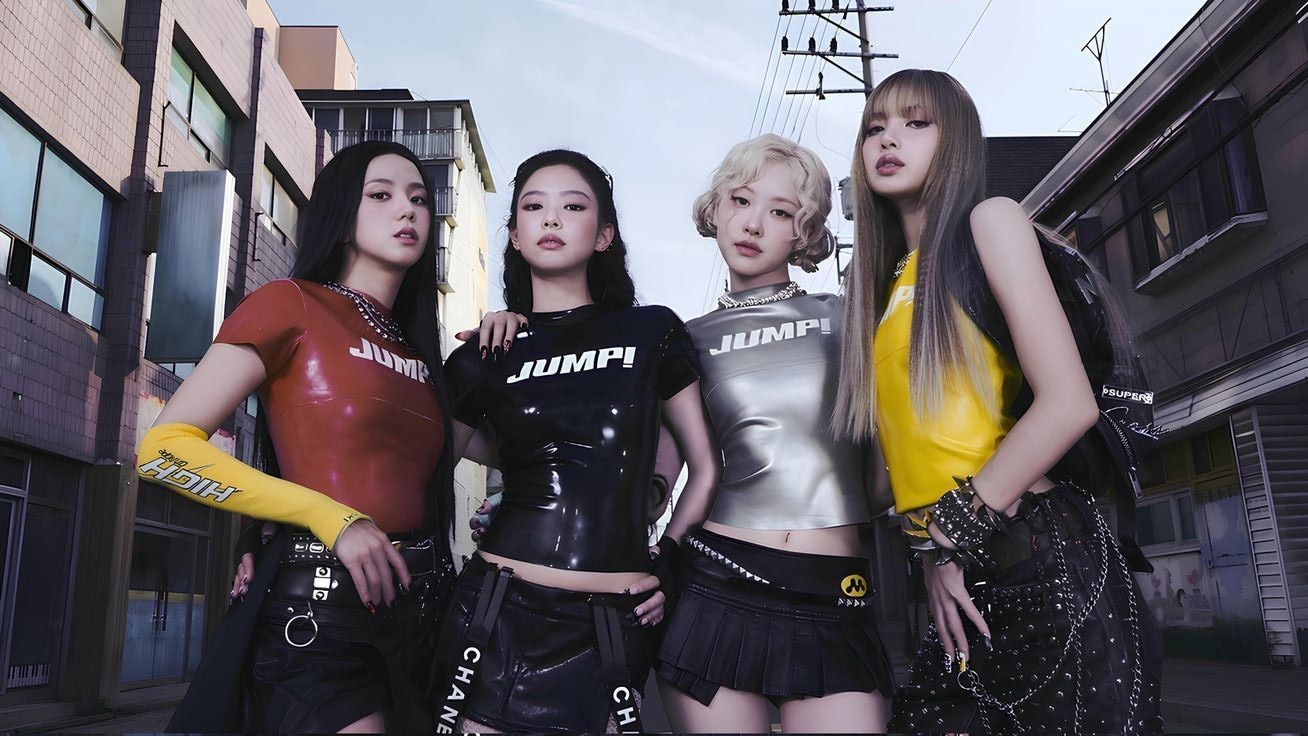
The idol system is one of the most defining features of K-pop. Aspiring artists are often recruited at a young age by entertainment companies and train for several years before officially debuting. This training is highly intensive and includes singing, dancing, performance skills, language training, and media coaching. Because of this system, K-pop idols are not just singers. They are all-round performers capable of delivering high-quality live performances with synchronized choreography and strong stage presence. This level of professionalism is one of the reasons K-pop stands out worldwide.
K-pop’s Global Breakthrough
During the 2000s, K-pop slowly began gaining attention outside of Asia, largely thanks to the rise of the internet and social media. The true global breakthrough came in 2012 with PSY’s song “Gangnam Style”, which went viral and became one of the most viewed videos on YouTube. After that moment, international interest in K-pop exploded. Groups such as BTS, BLACKPINK, EXO, TWICE, SEVENTEEN, and Stray Kids achieved massive global success. They sold out world tours, topped international music charts, and collaborated with major Western artists. K-pop had officially become a global force.
What Makes K-pop Unique?
One of the most unique aspects of K-pop is its extremely high production value. Music videos are visually stunning, often featuring elaborate sets, bold fashion, and cinematic storytelling. Every new release, commonly called a “comeback,” is built around a specific concept. This concept is reflected in the music, choreography, styling, album design, and even merchandise. For fans, a comeback is not just a song release but a full experience that creates excitement and anticipation.
The Role of Fans and Fandoms
Fan involvement is a core part of K-pop culture. K-pop fans actively support their favourite artists by streaming music, buying albums, voting in award shows, and promoting content on social media platforms. Many fandoms have official names and strong identities, such as ARMY for BTS and BLINK for BLACKPINK. These fandoms create tight-knit communities where fans connect with each other and feel emotionally connected to the artists. For many people, K-pop is not just entertainment but an important part of their daily lives.
K-pop, Fashion, and Lifestyle

K-pop has a major influence on fashion and beauty trends worldwide. Idols are seen as fashion icons and often set trends in clothing, hairstyles, and makeup. Fans frequently look for outfits, accessories, and merchandise inspired by their favourite idols. Beyond music and fashion, K-pop has sparked global interest in Korean culture. Many fans start learning the Korean language, watching Korean dramas and films, and exploring Korean food and lifestyle. This cultural spread is known as Hallyu.
Why K-pop Is Important for a K-pop Shop
For a K-pop shop, this culture is extremely important. K-pop fans value albums, photobooks, photocards, posters, clothing, and official merchandise. Albums are often purchased not only for the music but also as collectible items. Many fans collect multiple versions of the same album or specific photocards of their favourite idols. This creates a loyal and passionate customer base that actively seeks authentic K-pop products. A K-pop shop is therefore more than just a store; it is a place where fans connect with their fandom.
Conclusion: K-pop Is More Than Music
K-pop is far more than just a music genre. It is a global culture, a community, and a lifestyle. Through its combination of music, visuals, fashion, and fan engagement, K-pop continues to grow and attract new fans around the world. Whether you are new to K-pop or a long time fan, the genre continues to evolve and inspire.
- What are DVDs?
- What is a SMini/YG Tag?
- What is so good about Korean cosmetics?
- XLOV Concert Review
- What are concert etiquettes?
- What is a K-pop album?
- How do I win a fancall or fansign?
- Military service in K-pop
- How do I know if my merchandise is official?
- How do K-pop Charts work in Korea?
- How do K-pop traineeships work?
- What's the meaning behind 'Arirang'
- The history of Korean pop
- Concert ticket sales
- What Is K-pop?
- K-pop generations explained
- The most well-known K-pop companies explained
- How do pre-orders work?
- Hey!Hallyu
- K-pop Season’s Greetings
- Kpop Concerts Europe
- Drinking Culture in Korea
- How to prepare for a concert?
- NCT: Your Ultimate Guide to the Units
- Light Sticks
- K-Christmas Market in Maastricht
- ATEEZ Pop Up